
Getting older doesn’t mean you have to feel alone. Many seniors face isolation every day. It affects their health and happiness. But there’s good news. Assisted living communities are changing this picture completely.
These communities create spaces where friendships bloom naturally. They offer activities that bring people together. And they provide support that helps every resident feel valued and connected.
Let’s explore how these communities turn isolation into friendship. You’ll discover the methods that work. You’ll understand why socialization matters so much. And you’ll see real ways that seniors thrive when they’re surrounded by others.
Understanding Senior Isolation and Why It Matters
Senior isolation is a serious problem. It’s not just about being alone. It’s about feeling disconnected from the world around you.
Many older adults lose their social networks over time. Friends move away or pass on. Family members get busy with their own lives. Physical limitations make it harder to get out and meet people.
This isolation creeps in slowly. One day, you realize you haven’t talked to anyone in days. The phone doesn’t ring as often. The calendar stays empty week after week.
What Happens When Seniors Feel Alone
Loneliness changes how seniors experience daily life. Simple tasks feel harder. Days blend together without purpose or excitement.
Depression often follows isolation. Seniors who feel alone may lose interest in activities they once loved. They might stop taking care of themselves properly. Meals become less important. Personal hygiene suffers.
Cognitive decline speeds up when social interaction decreases. The brain needs stimulation to stay sharp. Conversations challenge our thinking. Social interactions keep our minds active and engaged.
The Hidden Health Risks of Loneliness
Research shows that isolation hurts more than feelings. It damages physical health too.
Lonely seniors face higher risks of heart disease. Their blood pressure often rises. Their immune systems weaken, making them more vulnerable to illness.
Sleep problems become common among isolated seniors. Anxiety increases when you spend too much time alone with your thoughts. Stress hormones stay elevated longer.
Studies even link severe isolation to earlier mortality. Being lonely can be as dangerous as smoking fifteen cigarettes daily. That’s not an exaggeration. It’s a medical fact.

How Assisted Living Creates Natural Social Connections
Assisted living communities solve the isolation problem through smart design. They create environments where meeting people happens naturally.
Think about it. When everyone lives in separate houses spread across a neighborhood, connection requires effort. You have to plan visits. You need transportation. You must coordinate schedules.
But in an assisted living community, neighbors live just steps away. Common areas invite casual encounters. You bump into friendly faces multiple times each day.
These unplanned interactions matter more than you might think. A quick chat in the hallway brightens your mood. A smile in the dining room reminds you that someone cares. These small moments add up to meaningful connections.
Shared Spaces That Bring People Together
Community design plays a huge role in encouraging socialization. Well-planned assisted living communities feature multiple gathering spaces.
Libraries offer quiet spots for readers to share book recommendations. Lounges provide comfortable seating for conversations. Gardens create peaceful settings for walking and talking with neighbors.
Activity rooms buzz with energy during scheduled events. But they also serve as casual hangout spots between programs. Residents drop in to see who’s around. Friendships form organically.
Trinity Hills Estate understands this principle deeply. Their thoughtfully designed common areas make socialization easy and natural. Residents don’t need to try hard to connect. The environment does half the work for them.
Mealtime as a Social Experience
Eating alone is one of the saddest parts of living in isolation. Food tastes better when you share it with others. Conversations make every meal more enjoyable.
Assisted living communities transform dining into social events. Restaurant-style dining rooms bring residents together three times daily. Assigned seating helps, but flexible arrangements work too.
Some communities offer family-style serving. Passing dishes around the table creates natural interaction. Others use smaller tables that encourage intimate conversations among four to six people.
The menu matters less than the company. Though good food certainly helps. The point is creating a reason to gather regularly. Breaking bread together has united humans for thousands of years. It still works today.
 Structured Activities That Build Friendships
While natural encounters are wonderful, planned activities accelerate relationship building. They give residents common interests to bond over.
Activity directors carefully plan diverse programs. They consider different interests, abilities, and energy levels. There’s something for everyone.
These aren’t just time-fillers. They’re friendship-makers. When you attend a class or join a group, you meet people with similar interests. Shared hobbies create instant connections.
Group Exercise and Wellness Programs
Physical fitness brings people together while improving health. Group exercise classes serve double duty.
Chair yoga welcomes participants with limited mobility. Water aerobics offers low-impact cardio in a fun setting. Walking clubs explore neighborhood paths together. Stretching classes help maintain flexibility.
These activities reduce isolation while boosting physical wellbeing. Participants encourage each other. They celebrate small victories together. They miss you when you’re absent.
The social aspect often motivates attendance more than the exercise itself. Seniors show up because they don’t want to disappoint their workout buddies. That’s powerful motivation.
Arts, Crafts, and Creative Outlets
Creative activities unlock self-expression while building community. Art classes let residents explore painting, drawing, or sculpture. Craft sessions produce beautiful handmade items.
Music programs invite participation at all skill levels. Sing-alongs bring back beloved songs from earlier decades. Instrument circles welcome both experienced musicians and curious beginners.
Writing workshops help seniors share their life stories. These sessions often become deeply meaningful. Participants discover common experiences. They learn from each other’s journeys.
Trinity Hills Estate recognizes that creativity knows no age limit. Their varied programs celebrate each resident’s unique talents and interests.
Game Nights and Entertainment Events
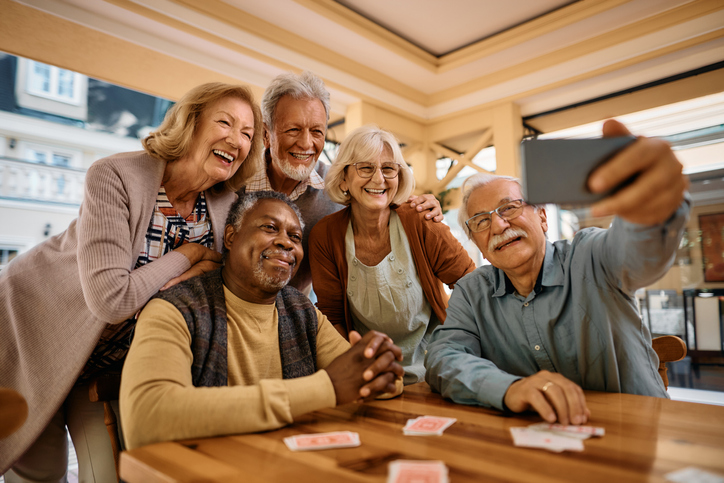
Fun matters at every age. Game nights provide laughter and friendly competition. Card games, board games, and trivia contests engage different mental skills.
Bingo remains popular for good reason. It’s easy to play and highly social. Winners celebrate. Everyone else congratulates them and looks forward to the next round.
Movie nights recreate the theater experience. Discussing films afterward adds depth to the entertainment. Book clubs work similarly, combining individual reading with group discussion.
Live entertainment brings excitement to the community calendar. Musicians, comedians, and speakers visit regularly. These special events give residents something to anticipate and discuss.
Community Events and Celebrations
Special occasions create lasting memories. They give residents reasons to dress up, celebrate, and feel special.
These events break up routine. They add sparkle to everyday life. And they strengthen community bonds through shared experiences.
Holiday Gatherings and Special Occasions
Holidays can feel lonely when you’re separated from family. Assisted living communities fill this gap beautifully.
Thanksgiving dinners bring everyone together for traditional feasts. Christmas parties feature decorations, music, and gift exchanges. Easter egg hunts add playful fun to spring celebrations.
Cultural and religious observances receive proper recognition. Communities honor diverse backgrounds and traditions. This inclusion helps everyone feel respected and valued.
Summer barbecues, Fourth of July fireworks viewings, and Halloween costume parties keep the calendar interesting. Each event creates photo opportunities and conversation topics for weeks afterward.
Birthday Celebrations and Personal Milestones
Individual recognition matters deeply. Birthday celebrations show each resident that they matter.
Some communities hold monthly birthday parties honoring everyone born that month. Others mark individual birthdays with personal touches. Either way, these celebrations combat the loneliness that birthdays can bring.
Anniversary recognitions, achievement awards, and milestone celebrations add more reasons to gather. When one resident is celebrated, the whole community benefits from the positive energy.
Technology-Based Connection Opportunities
Modern technology expands social possibilities beyond community walls. It helps residents maintain existing relationships while forming new ones.
Virtual Family Visits and Video Calls
Distance no longer prevents family connection. Video calling platforms let grandchildren share school achievements in real-time. Children visit virtually from across the country or around the world.
Assisted living staff often help less tech-savvy residents learn these tools. Once mastered, video calls become regular highlights. Seeing loved ones’ faces makes conversations richer.
Virtual visits also connect residents with old friends who can’t travel easily. Childhood companions reconnect across the miles. College roommates catch up after decades apart.
Social Media and Digital Learning Classes
Technology classes teach seniors to navigate Facebook, email, and other platforms. These skills open new social doors.
Residents join online communities based on interests. They participate in forums about hobbies, travel experiences, or current events. They share photos and updates with distant family members.
Digital literacy reduces isolation in our connected world. It helps seniors stay relevant and engaged with younger generations. Grandchildren appreciate grandparents who text and email.
Volunteer and Mentorship Programs
Giving back provides purpose and connection. Many assisted living communities organize volunteer opportunities for residents.
Giving Back to the Community
Local schools welcome senior volunteers for reading programs. Children benefit from patient listeners. Seniors enjoy youthful energy and innocent questions.
Charity projects unite residents around common causes. They might knit blankets for homeless shelters. They could write letters to military personnel. They might sort food bank donations.
These activities create meaning while building friendships. Working together toward shared goals strengthens bonds naturally.
Sharing Life Experience with Others
Seniors possess decades of valuable knowledge. Mentorship programs let them share this wisdom.
Some residents teach classes in their areas of expertise. A retired teacher might lead language lessons. A former businessperson could share financial literacy tips. A master gardener guides others in planting skills.
These teaching opportunities boost self-esteem. They remind seniors that they still have much to contribute. Students benefit from experienced guidance. Everyone wins.
Trinity Hills Estate encourages residents to share their talents. This approach values experience while creating meaningful connections between people.
Pet Therapy and Animal Companionship
Animals provide unconditional love and social catalysts. Many assisted living communities welcome pets or organize therapy animal visits.
Residents who own pets find natural conversation starters. Walking a dog leads to hallway chats. Talking about pet antics breaks the ice with new neighbors.
Therapy animal programs bring trained dogs, cats, or other animals for regular visits. Petting a soft animal reduces stress immediately. It also brings residents together in joyful interaction.
Bird aviaries, fish tanks, or community cats provide ongoing animal presence. These living creatures add life and interest to common spaces. They give residents something to care about together.
Transportation Services for Off-Site Social Activities
Socialization shouldn’t stop at community borders. Transportation services expand social horizons significantly.
Scheduled shuttles take residents to shopping centers, restaurants, museums, and cultural events. These outings provide variety and adventure. They also create shared experiences with fellow residents.
Group trips to theaters, concerts, or sporting events become social occasions. Traveling together builds camaraderie. Discussing the experience afterward extends the enjoyment.
Medical appointment transportation prevents isolation caused by mobility limitations. Seniors who can reliably reach doctors feel more independent and connected to the wider world.
Staff Support in Building Resident Relationships
Skilled staff members actively facilitate connections. They’re not just caregivers. They’re community builders.
Activity directors learn each resident’s interests and background. They introduce people with common ground. “Mary, meet John. He also taught high school math for thirty years.”
These introductions plant friendship seeds. Staff members water those seeds by encouraging participation in activities both residents might enjoy.
Dining coordinators rotate seating arrangements periodically. This prevents cliques while encouraging residents to meet everyone. You might discover your new best friend was sitting three tables away for months.
Care staff notice when residents seem lonely. They spend extra time chatting. They encourage attendance at activities. They alert activity directors to residents who need extra outreach.
Real-Life Examples of Social Success Stories
The proof lives in transformed lives. Consider Margaret, who moved to assisted living feeling depressed after losing her husband. Within months, she led a book club, joined the gardening committee, and made three close friends. Her daughter noticed the dramatic change immediately.
Or think about Robert, who arrived quiet and withdrawn. The activities director learned about his passion for woodworking. She helped him start a workshop where he teaches others. Now he’s the most popular guy in the community.
These stories repeat constantly in quality communities like Trinity Hills Estate. Isolation transforms into connection. Loneliness becomes friendship. Purposelessness shifts to meaningful engagement.
The changes aren’t always dramatic. Sometimes they’re simply quiet contentment instead of silent sadness. A daily routine filled with friendly faces rather than empty hours. Small improvements that make enormous differences.
Conclusion
Senior isolation is serious, but it’s not inevitable. Assisted living communities provide powerful solutions through thoughtful design, structured activities, and genuine care.
Every element works together to create connection. Shared spaces encourage casual encounters. Meal times bring people together naturally. Activities provide common interests and conversation topics.
Technology expands social circles beyond community walls. Volunteer programs create purpose and meaning. Transportation services prevent walls from becoming barriers.
Most importantly, communities like Trinity Hills Estate recognize that socialization isn’t optional. It’s essential for health, happiness, and quality of life. They build every program and service around this understanding.
When seniors feel connected, they thrive. They smile more. They engage more fully with life. They maintain better health. They find joy in each day.
That’s not just pleasant. It’s transformative. And it’s exactly what every senior deserves.
FAQs
How quickly do new residents typically make friends in assisted living?
Most residents form initial connections within the first few weeks. Meaningful friendships usually develop over two to three months. The speed depends partly on personality and partly on how actively residents participate in community activities. Staff members help accelerate the process through thoughtful introductions.
What if a resident is naturally introverted and prefers solitude?
Quality assisted living communities respect individual preferences while gently encouraging healthy social interaction. Staff members find the right balance for each person. Introverts might prefer small group activities or one-on-one conversations over large gatherings. The goal is comfortable connection, not forced participation.
Can residents maintain friendships with people outside the community?
Absolutely. Transportation services, visitor policies, and communication technology all support external friendships. Many residents maintain active social lives both inside and outside their assisted living community. The community adds to existing relationships rather than replacing them.
How do communities handle conflicts between residents?
Professional staff mediate disagreements quickly and respectfully. Most conflicts stem from misunderstandings rather than serious problems. Staff members facilitate conversations, find compromises, and sometimes rearrange seating or activity groupings. The goal is maintaining harmony while respecting everyone’s dignity.
What happens if someone needs more care and becomes less mobile?
Good communities adapt activities and support to changing needs. Staff bring activities to residents’ rooms when necessary. They facilitate visits from friends within the community. They use technology to maintain connections when physical participation becomes difficult. Socialization remains a priority at every care level.