

As our loved ones grow older, their safety becomes more than a concern—it becomes a priority. Among the various risks seniors face, falls are by far the most common and dangerous. A single fall can trigger a chain of events that changes everything, from mobility to independence. But here’s something many families wrestle with: Is staying at home really the best option, or is assisted living the smarter, safer path?
In this comprehensive article, we’ll explore how assisted living communities, like Trinity Hills Estates, are designed to dramatically reduce the risk of falls. We’ll break down the real dangers of home environments, highlight the built-in safety features of assisted living, and give you the insights you need to make an informed decision.
Senior man and woman sitting at table and enjoying talk, another aged couple interacting in background sitting on sofa in common room of nursing home
What Makes Falls So Dangerous for Seniors?
Falls might seem like minor accidents to younger people, but for older adults, they’re anything but. As we age, our bones become more brittle, balance becomes less reliable, and reaction time slows down. A fall that once would’ve resulted in a simple bruise can now mean a broken hip, a traumatic brain injury, or long-term hospitalization.
In fact, falls are the leading cause of injury-related deaths among seniors. Recovery is often slow and painful, and in many cases, the person never fully regains their previous level of mobility or independence. Beyond the physical harm, the emotional toll is equally severe—fear of falling again often leads to reduced activity, social withdrawal, and even depression.
Why Home Isn’t Always the Safe Haven It Seems
Many families choose to keep their aging loved ones at home because it feels familiar, comfortable, and emotionally reassuring. But while home may provide emotional comfort, it often lacks the physical safety features necessary to protect a senior from a fall.
Most residential homes were never built with aging in mind. Common hazards like uneven flooring, stairs, low lighting, cluttered walkways, and slippery bathroom surfaces create a risky environment. Even routine tasks—stepping into the shower, reaching into a cabinet, or taking out the trash—can turn into dangerous situations.
Worse still, many older homes haven’t been updated to include mobility aids like grab bars, chair lifts, or walk-in tubs. Without significant (and often expensive) renovations, homes simply can’t provide the same level of safety that assisted living facilities offer by design.
Assisted Living: Designed with Safety at Its Core
Assisted living communities are purpose-built with aging in mind. Every aspect of the design—from floorplans to furniture—is created to support safety, mobility, and ease of access. Unlike traditional homes, these environments remove hazards rather than adapting to them.
Walkways are wide and well-lit. Flooring is non-slip and transitions between rooms are seamless. Bathrooms are equipped with handrails, walk-in showers, and emergency pull cords. Even small details, like rounded furniture corners and stable seating, help reduce the risk of injury.
Communities like Trinity Hills Estates go above and beyond to ensure their facilities meet rigorous safety standards. The goal isn’t just to respond to emergencies—it’s to prevent them from happening in the first place.

24/7 Monitoring and Support Staff
One of the greatest benefits of assisted living is the availability of trained staff 24 hours a day. In a home setting, if a senior falls and can’t reach a phone, they could remain on the floor for hours—or even longer. That’s not just frightening, it’s dangerous. The longer someone stays immobilized after a fall, the higher the risk of complications such as dehydration, pressure sores, or even hypothermia.
In an assisted living facility, residents are never alone. Whether it’s late at night or early in the morning, help is always just steps away. Staff are trained to provide quick, professional responses to falls, minimizing injury and providing peace of mind for both the resident and their family.
Even more importantly, staff can often recognize warning signs of instability—like changes in gait or behavior—before a fall occurs, and take preventive steps immediately.
Trained Caregivers vs. Family Caregivers
Family members often try their best to support aging parents or grandparents. But caregiving is demanding and requires specialized knowledge—especially when it comes to fall prevention and mobility issues.
Trained caregivers, like those at Trinity Hills Estates, understand how to assist with mobility in ways that reduce strain and minimize the risk of falls. They know how to safely transfer someone from a bed to a chair, help with walking without creating dependency, and recognize signs of muscle weakness or cognitive decline.
Family caregivers often lack this training, and while well-intentioned, they may inadvertently put their loved one at greater risk. Assisted living staff don’t just help—they’re trained to help the right way.
Built-in Emergency Response Systems
When an emergency happens, every second counts. Assisted living facilities have emergency call systems embedded into their infrastructure. Residents are equipped with wearable pendants, bedside call buttons, and strategically placed pull cords throughout the building—especially in bathrooms and bedrooms where falls most often occur.
These systems are directly connected to on-site staff who are trained to respond instantly. Contrast that with a home, where seniors may forget to wear a pendant, fail to charge a device, or be out of reach of a phone during an emergency.
At Trinity Hills Estates, the entire emergency response system is built around speed, reliability, and peace of mind.
Fall Risk Assessments & Personalized Plans
Upon moving into an assisted living community, residents typically undergo a comprehensive fall risk assessment. This assessment looks at a range of factors including medical history, current medications, balance, vision, and muscle strength.
Using this data, the care team can create a personalized safety plan that reduces fall risks. It may include physical therapy, strength training, modifications to living space, or changes in medication. This proactive approach ensures that safety is addressed from day one.
At home, these assessments are rarely done unless requested, and even then, families might not know what to do with the results.
Group Activities That Promote Strength and Balance
One of the best ways to prevent falls is to stay physically active. But not all seniors are motivated to exercise on their own. Assisted living communities solve that by offering structured group fitness programs designed to improve strength, balance, and flexibility.
From tai chi and yoga to low-impact aerobics and guided walks, these activities are both social and therapeutic. They’re also supervised, ensuring seniors are moving in a way that’s safe and supportive.
No More Dangerous Chores
Let’s face it: many household chores are dangerous for seniors. Climbing ladders to change light bulbs, standing on stools to reach cabinets, lifting laundry baskets, or cleaning slippery floors all increase the risk of falling.
In assisted living, these chores are no longer a concern. Residents don’t have to worry about housework, yard work, or maintenance. This eliminates dozens of potential fall scenarios from their daily routine.
Better Lighting, Smarter Layouts
Lighting may seem like a small thing, but it plays a major role in preventing falls. Poorly lit hallways, shadowy staircases, and dim corners make it hard to see obstacles. In assisted living, lighting is optimized throughout the facility.
Automatic nightlights, motion-sensor hallway lights, and bright, consistent illumination make it easy to see and navigate, day or night. Add to that open floor plans and clutter-free layouts, and you’ve got an environment that’s built for safe mobility.
Medication Management That Prevents Dizziness and Falls
Many seniors take multiple medications daily. Some of these meds can cause dizziness, drowsiness, or drop in blood pressure—factors that significantly increase the risk of falling.
Assisted living communities offer professional medication management. That means medications are administered properly, interactions are closely monitored, and doses are adjusted in collaboration with healthcare providers.
This level of oversight helps reduce medication-related falls—something that’s very difficult to maintain at home without nursing support.
Companionship Reduces Risk, Too
It’s easy to overlook how social interaction impacts physical health. Seniors who live alone are more likely to feel lonely or depressed, and these feelings often lead to inactivity, which weakens muscles and balance over time.
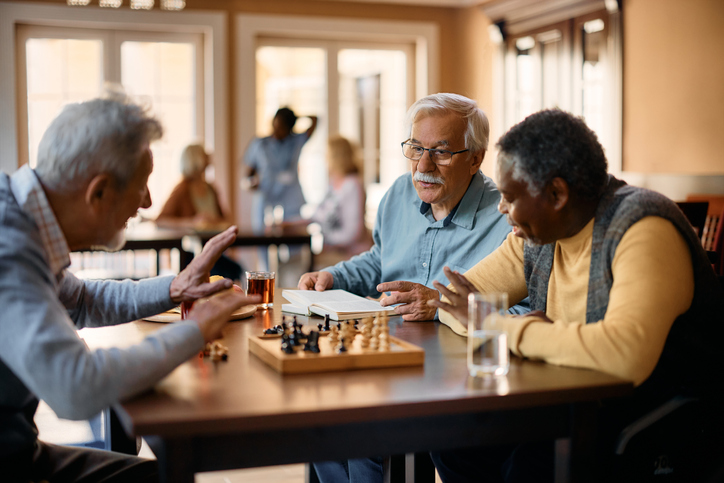
In assisted living, residents have daily opportunities for connection. Whether it’s mealtime conversations, group games, or shared hobbies, these interactions keep spirits high and bodies moving.
Communities like Trinity Hills Estates understand the power of connection and how it supports both mental and physical stability.
Routine Wellness Checks Catch Issues Early
In-home seniors often go days—or even weeks—without anyone noticing small but important changes in their health. But in assisted living, staff members interact with residents daily. They notice if someone is moving more slowly, skipping meals, or struggling with balance.
These early signs of trouble can trigger a care adjustment, a medical checkup, or a preventive therapy session—all before a fall occurs.
The ability to spot and respond to subtle warning signs is one of the strongest arguments in favor of assisted living over aging at home.
Family Peace of Mind is Priceless
When a loved one lives alone, every unanswered call or delayed text can spark anxiety. Families worry constantly: Are they safe? Did they fall? Did they take their meds? Did they eat today?
With assisted living, that worry is lifted. Families know their loved one is surrounded by professionals, checked on regularly, and living in a place built for safety.
Knowing that Trinity Hills Estates provides expert care around the clock brings immeasurable peace of mind to both seniors and their families.
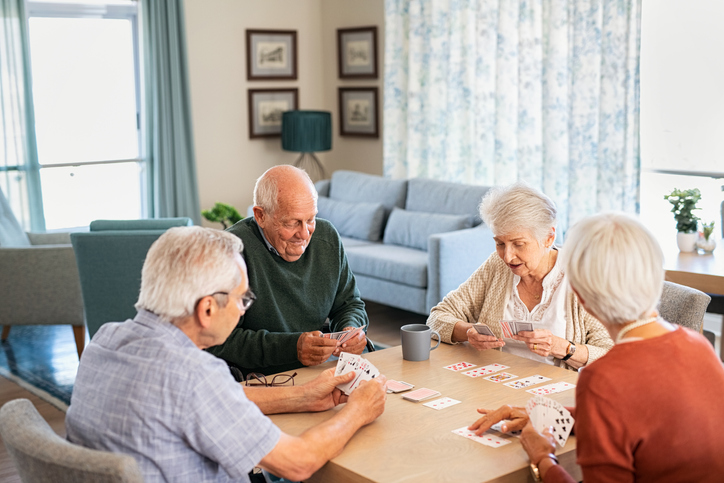
Happy senior people playing cards together at retirement community. Retired group of senior couples playing cards at care centre. Cheerful active seniors enjoying afternoon together at nursing home.
Falls Happen Fast. Assisted Living Responds Faster.
Here’s the uncomfortable truth: falls are unpredictable. Even the most careful seniors can’t eliminate every risk. But while we can’t control when a fall might happen, we can control how prepared we are to respond—and that’s where assisted living truly shines.
With faster response times, built-in safety features, and a proactive approach to wellness, assisted living communities provide an unparalleled layer of protection.
Conclusion: When Safety Is the Priority, Assisted Living Is the Answer
Choosing between home and assisted living is rarely easy. But when safety is your top priority, the decision becomes clearer. Falls are the leading cause of injury among seniors, and preventing them requires an environment designed with intention.
Trinity Hills Estates provides that environment—one built around care, community, and confidence. With expert staff, fall-proof layouts, and a proactive wellness approach, it’s more than a place to live. It’s a place to thrive safely.
If you or a loved one is facing the realities of aging, don’t wait for a fall to force your hand. Be proactive. Explore your assisted living options today—and choose safety before it becomes urgent.
Frequently Asked Questions
1.Why are falls more dangerous for seniors than younger people?
- Older adults often have weaker bones and slower reflexes. A fall that might be minor for someone young can cause fractures, head trauma, or long-term complications in seniors.
-
What features in assisted living help prevent falls?
Features like non-slip flooring, grab bars, emergency call systems, wide hallways, and excellent lighting all contribute to a safer environment in assisted living facilities.
-
How often do falls happen at home vs. assisted living?
Falls are more frequent and more serious at home due to environmental hazards and delayed response times. Assisted living communities drastically reduce both the frequency and severity of falls.
-
Can assisted living staff help with balance or mobility training?
Yes. Most communities, including Trinity Hills Estates, offer structured exercise programs and physical therapy that focus on improving strength, flexibility, and balance.
-
Is it worth moving to assisted living just to prevent falls?
- Absolutely. Fall prevention is a critical factor in maintaining long-term health, mobility, and independence. Assisted living provides a proactive and protective setting that most homes simply can’t match.